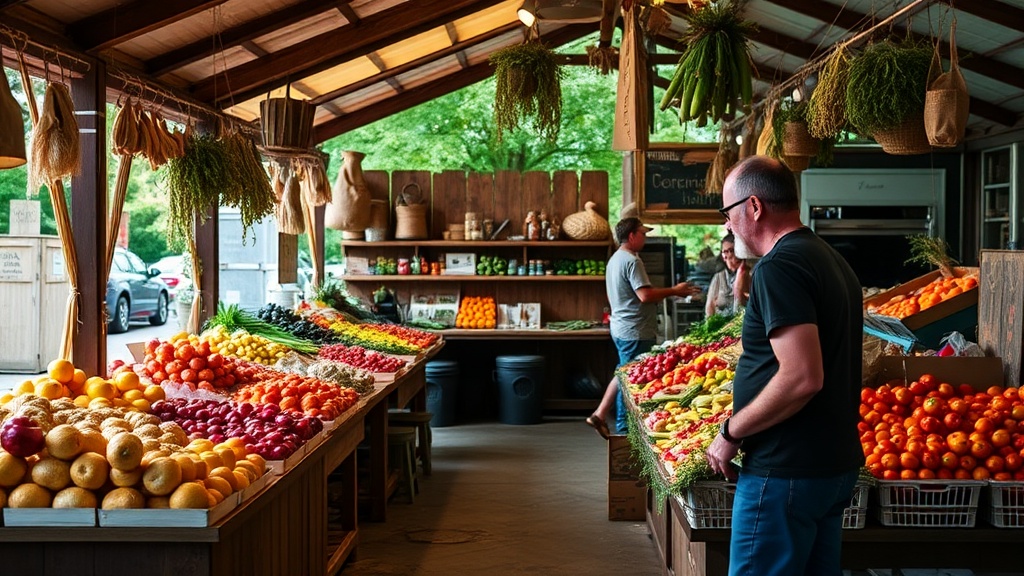
Hidden Gem Farm Stands and Seasonal Produce Finds

The smell of damp earth and sun-warmed berries hits you long before you even reach the roadside stall. In Woolwich and the surrounding Waterloo Region, the transition between seasons isn't marked by a calendar, but by the shift in what's sitting on a wooden crate near the highway. This post tracks the best seasonal produce finds and the tucked-away farm stands that actually worth the drive. We're looking at where to find the real stuff—the heirloom tomatoes, the heavy cream, and the honey that hasn't been sitting in a warehouse for months.
There is a massive difference between a grocery store tomato and one picked forty-eight hours ago. One is a watery, red sphere designed for transport; the other is a heavy, fragrant piece of summer. If you live in or around the Township, you have a massive advantage if you know when to look. The window for peak produce is small, and if you miss it, you're stuck with whatever the big-box stores decide to stock.
Where Can I Find Fresh Seasonal Produce in Woolwich?
The best seasonal produce in Woolwich is found at small-scale farm stands located along the backroads of Elmira, St. Jacobs, and the surrounding townships. While the large farmers' markets are great, the real "hidden gems" are the roadside stands that appear seasonally. These are often unstaffed—you simply leave cash in a locked box or use a QR code for e-transfers—making them incredibly convenient for a quick stop during a weekend drive.
I've spent a lot of time driving these routes, and I've noticed a pattern. The best stands aren't the ones with massive neon signs. They are the ones with a hand-painted wooden sign and a single-digit number of crates out front. You might find a stand that only sells sweet corn for two weeks in August, or a farm that only opens its gates for strawberry season in June.
If you want the highest quality, look for farms that specialize in a single crop. A farm that focuses entirely on berries will almost always have a better product than a farm trying to do everything. It's about specialization.
Here is a quick breakdown of what to look for during the peak seasons in Ontario:
| Season | Primary Produce | Best Time to Visit |
|---|---|---|
| Late Spring | Asparagus, Rhubarb | Late May to early June |
| Summer | Strawberries, Sweet Corn, Peaches | July to August |
| Late Summer/Fall | Heirloom Tomatoes, Apples, Pumpkins | August to October |
| Early Autumn | Hardy Greens, Root Vegetables | September to October |
One thing to remember: many of these stands operate on a "first come, first served" basis. If you hear that the strawberries are in, don't wait until the weekend. By Saturday afternoon, the best stuff is usually long gone.
What Is the Best Way to Pay at Roadside Farm Stands?
Most modern roadside stands accept e-transfers or credit cards via mobile readers, but many smaller operations still rely heavily on cash. It’s always a smart move to keep a twenty or a fifty in your car for these exact moments. If you rely solely on your phone and the signal is weak near a farm field, you're going to have a bad time.
I've seen plenty of people pull up to a beautiful stand of organic peaches, only to realize they can't pay because their banking app won't load in a dead zone. It's frustrating. Always check the sign near the box. If it says "Cash Only," don't bother trying to find a way to pay digitally—just head back to the gas station.
Also, keep an eye out for the "Honor System" signs. This is a staple of Ontario farming culture. You take what you need, and you leave what you owe. It relies on a high level of community trust, which is one of the best parts of living in a place like Woolwich.
If you are interested in the logistics of how local agriculture is regulated and how to ensure you are buying safe, local goods, you can check the Ontario Ministry of Agriculture, Food and Rural Affairs website for more on food safety standards. It's good to know the rules of the game.
Pro Tips for a Successful Farm Stand Run
Don't just drive aimlessly. Have a plan. If you're looking for something specific, like heirloom varieties, you need to be more intentional about your route. I usually keep a mental list of which farms are "my" spots for certain items.
- Check the weather: Heavy rain can wipe out a roadside stand's inventory for the day.
- Bring reusable bags: Most stands don't provide bags, and you don't want your heavy melons rolling around in your trunk.
- Ask the locals: If you're at a local cafe (and if you're looking for a caffeine fix first, check out my list of best coffee spots in the area), ask the person behind the counter where the best corn is this year.
- Go early: The best produce—and the best prices—are often gone by noon.
It's worth noting that many of these farmers are also incredibly busy with their actual farming duties. If you see someone working in the field, don't interrupt them to ask about their pricing. Just wait or check the sign. Respect the work.
How Do I Know if the Produce is Actually Fresh?
The simplest way to tell if produce is truly fresh is to look at the stems and the skin. For berries, look for a bright, uniform color and stems that still look somewhat hydrated. For vegetables like corn, the silk at the top should be slightly moist and not dried out or brittle. If the silk is brown and crispy, that corn has been sitting out for a while.
For tomatoes, look for weight. A heavy tomato is a juicy tomato. If it feels light or hollow, it's likely been sitting in a warehouse or a shipping container for too long. You want that heft. You want that density. That's the sign of a plant that was actually grown in the rich soil of the Waterloo Region, not a mass-production facility in another climate.
Another way to judge freshness is by the scent. A fresh peach should smell like a peach the moment you pick it up. If it has no scent, it hasn't reached peak ripeness. If it smells slightly fermented, it's already past its prime. Trust your nose. It's the most reliable tool you have.
For more detailed information on the biological stages of fruit ripeness and how to identify high-quality produce, the Wikipedia entry on fruit ripening provides a great deep dive into the science behind what we're seeing at the stand.
The beauty of the Woolwich area is that we aren't just a suburb of Kitchener-Waterloo; we are a productive agricultural hub. When you buy from these stands, you aren't just getting better food—you're keeping the local economy moving. You're ensuring that the next generation of farmers has a reason to stay in this township. It's a small act, but it matters more than you think.
Next time you're driving through the backroads near Elmira or heading toward St. Jacobs, keep your eyes peeled for those hand-painted signs. The best meals usually start with a detour.